
TMS Therapy for Depression in Laguna & Orange County
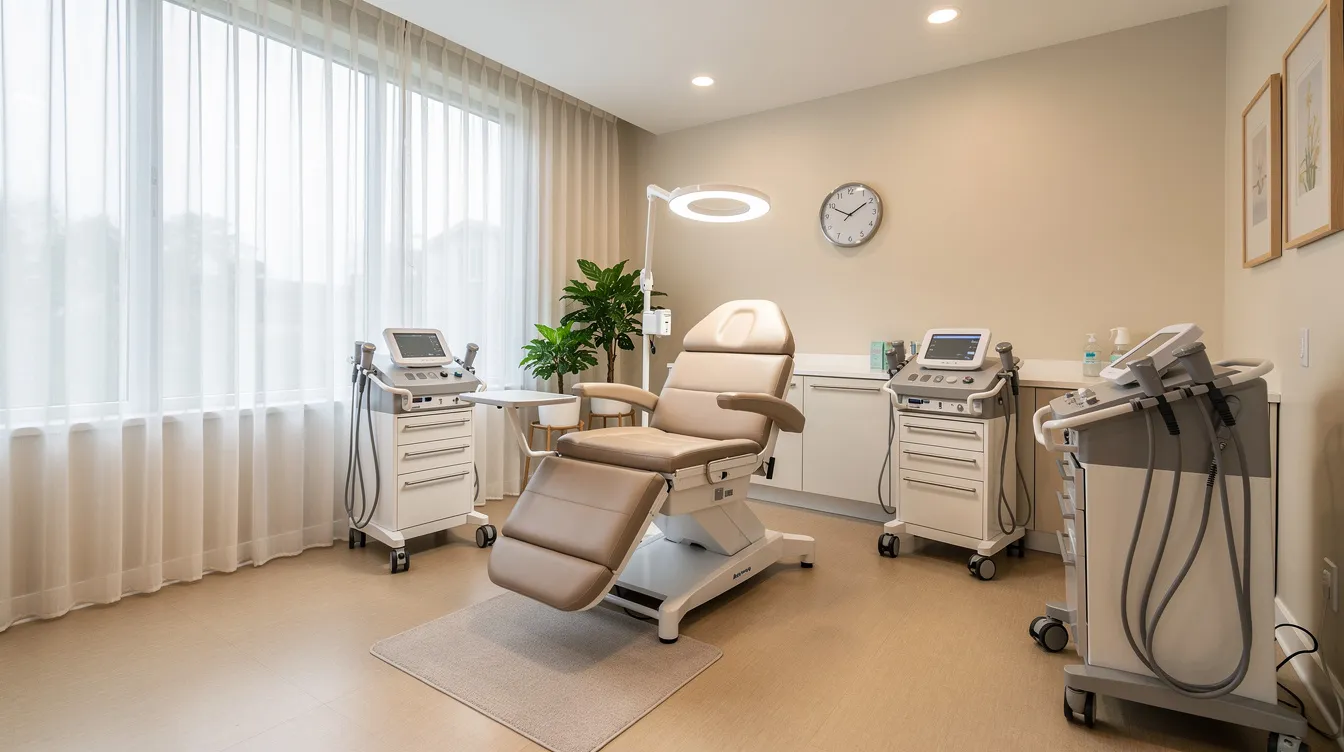
Drug-Free TMS Depression Treatment in Laguna Niguel & Nearby Cities
If you live in Laguna Niguel, Laguna Hills, or anywhere across Orange County and your depression has not improved after trying multiple medications or talk therapy, you are not out of options. Transcranial magnetic stimulation (TMS) is a non-invasive, drug-free depression treatment that uses repeated magnetic pulses to stimulate nerve cells in the areas of the brain involved in mood regulation - without surgery, sedation, or systemic side effects.
Orange Coast Health & Wellness provides Exomind TMS therapy in Laguna Niguel for depression right here in Laguna Niguel. TMS sessions are generally under 30 minutes, administered five days a week over several weeks, and patients remain awake throughout. You can drive yourself home and return to work or family immediately after each appointment.
Schedule a TMS Consultation ·
See If You Qualify
Why Orange County Chooses Exomind TMS for Depression Treatment
What sets Exomind TMS at Orange Coast Health & Wellness apart from other depression treatments and generic TMS centers in the area is the combination of advanced brain stimulation technology, patient comfort, and clinical precision.
Shorter, more comfortable sessions
Exomind uses a trapezoid pulse waveform designed to reduce scalp discomfort, with each TMS session typically lasting under 30 minutes - meaning less time in the chair and more time living your life.
Targeted, technology-first approach
Every course begins with precise motor threshold mapping and coil placement over the dorsolateral prefrontal cortex, ensuring the TMS coil delivers focused magnetic pulses exactly where they are needed for mood regulation.
Truly non-invasive and drug-free
Exomind TMS does not require anesthesia, does not expose you to systemic medication side effects, and involves no memory loss or cognitive impairment - unlike electroconvulsive therapy (ECT) or daily antidepressant medication.
Designed for real schedules
Because sessions are brief and there is no downtime, most patients in Laguna Niguel and surrounding communities drive themselves to appointments and return to work, school, or parenting right after.
Holistic follow-up
Beyond the treatment sessions themselves, our team coordinates relapse planning, booster sessions if needed, and integration with your existing mental health providers.
When Depression Doesn't Respond to Medication
Treatment resistant depression is more common than many people realize. It describes major depressive disorder that does not adequately improve after trying at least two antidepressant medications at proper doses for an adequate period of time, and often co-exists with other mood and anxiety disorders such as depression, bipolar disorder, anxiety, and OCD. For adults in Laguna and Orange County, this can feel like years of effort without lasting symptom relief.
If any of these scenarios sound familiar, you are not alone:
- You have tried two, three, or even four different antidepressants over recent years and still feel stuck with persistent depressive symptoms
- You stopped medications due to side effects - weight gain, sexual dysfunction, emotional numbness - and your depression returned or never fully lifted
- You attend therapy regularly but continue to experience low mood, loss of pleasure (anhedonia), brain fog, or fatigue that interferes with daily functioning
Persistent depression affects every part of life. It can erode performance at work - whether you are commuting to an office in Irvine or working remotely from Dana Point. It strains relationships, disrupts sleep and contributes to sleep disorders that worsen mental and physical health, and makes parenting feel overwhelming. Left untreated, severe depression tends to worsen over time.
TMS therapy for depression is often recommended precisely at this point: when major depressive disorder does not respond adequately to first line treatments like antidepressant medication and talk therapy. Rather than adding another medication, TMS offers a fundamentally different mechanism -
noninvasive brain stimulation that targets the neural circuits directly involved in mood.
What Is TMS Therapy for Depression?
Transcranial magnetic stimulation TMS is an FDA-approved TMS therapy brain stimulation treatment for major depressive disorder. The FDA approved TMS for major depressive disorder in 2008, and it has since also been cleared for obsessive compulsive disorder and other certain mental health conditions. TMS involves focused magnetic fields to stimulate specific nerve cells in the brain - no surgery, no anesthesia, and no systemic drug exposure.
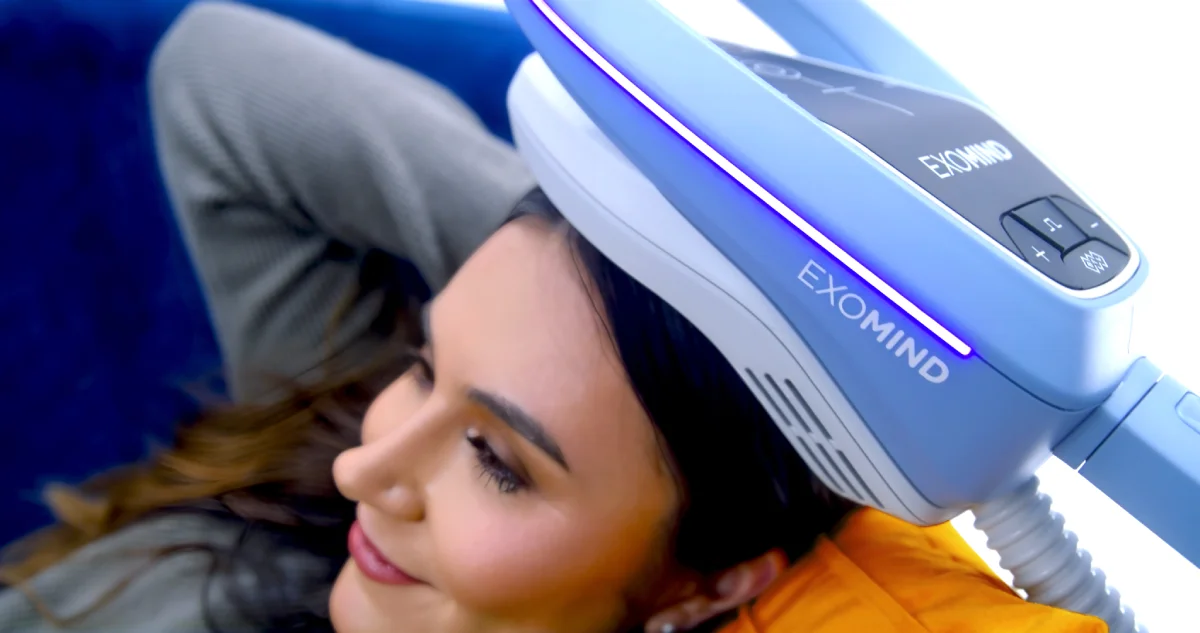
During a TMS session, an electromagnetic coil is placed against the scalp near the forehead. The TMS machine delivers magnetic pulses that pass through the skull and generate small electrical currents in targeted brain tissue. These currents stimulate nerve cells in underactive mood-regulation circuits, particularly the dorsolateral prefrontal cortex, using Exomind TMS technology for non-invasive depression and anxiety treatment. The patient sits in a reclining chair, remains fully awake, and can return to normal activities immediately after.
Key characteristics of TMS therapy:
- Non-invasive: TMS is a noninvasive form of brain stimulation that does not require surgery, incisions, or implants
- No anesthesia or sedation: Unlike electroconvulsive therapy or deep brain stimulators, TMS does not require anesthesia - you are alert and comfortable throughout
- No memory loss: TMS does not intentionally cause seizures and does not produce the memory loss or cognitive impairment associated with ECT
- Outpatient procedure: Every TMS session takes place in-clinic at Orange Coast Health & Wellness in Laguna Niguel; sessions typically last from 20 to 40 minutes
- Minimal side effects: TMS therapy is generally well tolerated with few systemic side effects - the most common are mild scalp discomfort and headache, which are generally mild and transient
- Beyond depression: TMS can be used as a treatment option for anxiety and OCD, not just depression, and research continues into applications for pain management, smoking cessation, and other mental health conditions
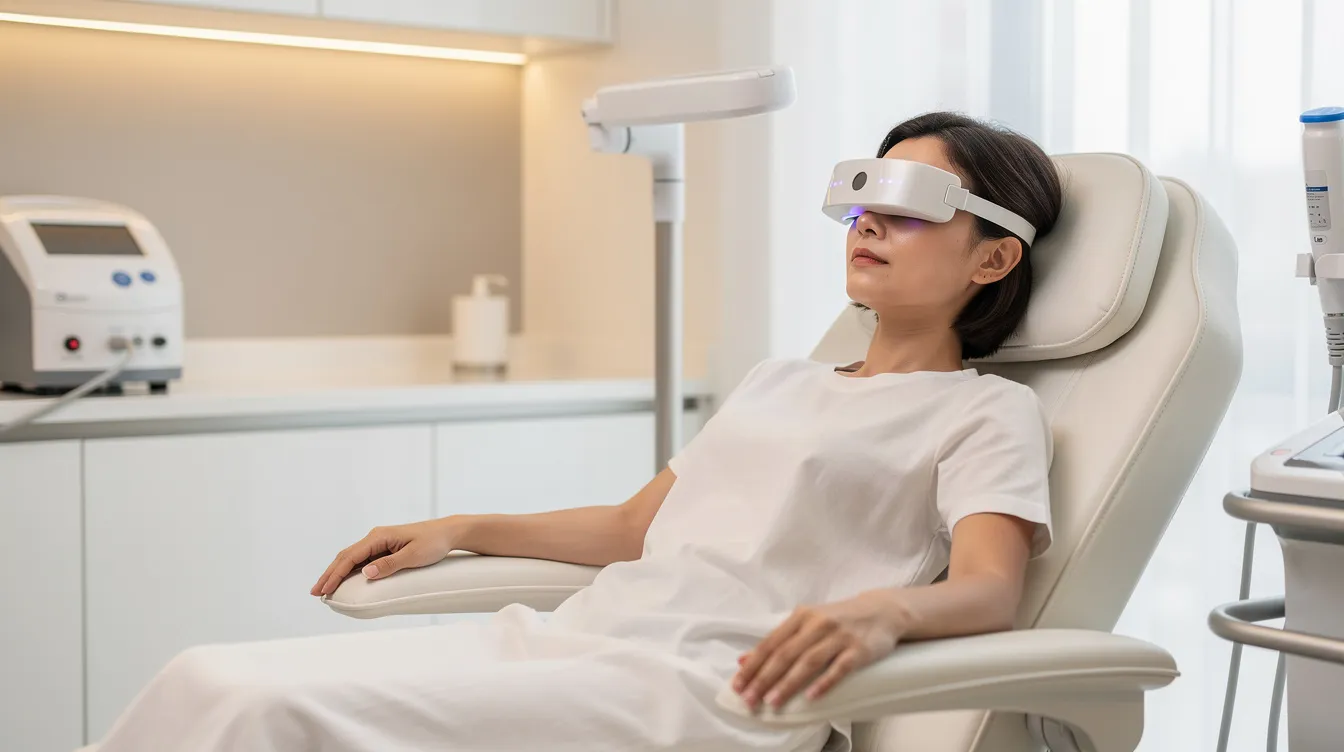
How Exomind TMS Works for Depression
Exomind TMS works by delivering repetitive transcranial magnetic stimulation to the dorsolateral prefrontal cortex - a region of the brain involved in mood regulation, motivation, and executive function. In people with major depression, brain activity in this area is often reduced. Repeated magnetic pulses from the TMS coil help normalize these underactive circuits over the course of treatment, and our Exomind TMS therapy in Laguna Niguel is part of the broader services offered by Orange Coast Psychiatric Associates, a top-rated mental health practice that leverages this technology to support lasting symptom relief.
The magnetic field induced by TMS generates small electrical currents in the brain, encouraging nerve cells to fire more effectively. Over several weeks of consistent treatment sessions, this targeted brain stimulation can lead to measurable changes in depressive symptoms.
Here is what to expect from the process:
- Brain target: The left dorsolateral prefrontal cortex, a key region for mood and cognitive control
- Pulse delivery: High-frequency repetitive TMS delivered via focused magnetic coil; Exomind uses a refined trapezoid waveform designed for comfort
- Schedule: Patients usually receive TMS five times a week for four to six weeks - TMS typically requires a series of 30 treatments, though exact numbers are personalized
- Response patterns: Many patients begin to notice improvements in sleep, energy, and outlook between weeks 2 and 4, though timelines vary; TMS is effective for about 50–60% of patients overall, and about 60% of treatment-resistant depression patients respond to TMS
- Durability: More than half of TMS responders remain in remission after six months, with maintenance strategies further extending benefit
- Complementary care: TMS is often part of a broader plan that may include therapy, medication if desired, and lifestyle interventions - results differ by individual, and our team sets realistic expectations during consultation
Who May Be a Candidate for TMS Therapy for Depression?
Every patient at Orange Coast Health & Wellness undergoes a thorough psychiatric evaluation before beginning TMS. Our board-certified psychiatrist reviews your complete medical and mental health history, current medications, and past treatment trials to confirm whether TMS is appropriate for you, reflecting the same personalized, holistic approach to adolescent and adult mental health care used across our practice.
Typical inclusion criteria:
- Adults aged 18 and older diagnosed with major depressive disorder (single or recurrent episode)
- History of trying at least two antidepressant medications at adequate doses without sufficient improvement
- Ongoing depression symptoms such as low mood, anhedonia, lack of energy, concentration difficulties, or brain fog
- Living in or near Laguna Niguel and Orange County, making weekday treatment sessions feasible
Contraindications and safety considerations:
- Non-removable metal in or near the skull (e.g., aneurysm clips, cochlear implants, or certain other implants)
- Implanted medical devices sensitive to magnetic fields (such as deep brain stimulators)
- Active seizure disorder or history of epilepsy
- Unmanaged substance use or active psychosis
- Bipolar disorder requires careful screening to avoid triggering mania
- Pregnancy status is reviewed; risk-benefit discussion is part of evaluation
- Certain medications that lower seizure threshold - reviewed during consultation
- History of head injury or traumatic brain injury may require additional assessment
- Not sure whether you qualify? Schedule a brief screening call - our team can help you understand your options before committing to an appointment.
What Happens During TMS Treatment for Depression?
TMS is an outpatient procedure performed in our Laguna Niguel clinic. Sessions are generally under 30 minutes, and patients typically receive treatment five days a week over several weeks. Here is what the full journey looks like, from your first call through follow-up, and many of the logistical details mirror those outlined in our frequently asked questions about choosing and working with mental health providers.
Step 1: TMS Consultation & Evaluation
You begin by scheduling a consultation - by phone, online form, or physician referral. The first TMS appointment lasts about one hour. During this visit, our psychiatrist conducts a detailed evaluation including:
- Comprehensive depression and treatment history, including all prior antidepressant medication trials
- Review of current medications and medical conditions
- Screening for bipolar disorder, psychosis, suicidality, and substance use
- Physical and mental status examination
At this stage, our staff also verify insurance benefits for TMS, including any prior authorization requirements for plans serving Orange County. Most insurance policies cover TMS for depression, and insurance coverage for TMS has increased in recent years. Medicaid may cover a percentage of TMS therapy costs as well, though TMS costs can vary based on treatment protocols, overall health status, and whether additional health and wellness services that address lifestyle, diet, and exercise are part of your care plan.
Step 2: Brain Mapping & Personalized TMS Plan
Before the first treatment session, our team performs motor threshold mapping. This involves a brief thumb twitch test: the TMS coil is placed over the motor cortex, and pulses are gradually increased until they produce a small thumb twitch. This determines the precise stimulation intensity calibrated to your individual brain.
The clinician then positions the coil over the left dorsolateral prefrontal cortex - the treatment target. This mapping session typically takes 30 to 60 minutes and sets the coil placement and dose for the remainder of your course. Exomind's streamlined navigation features allow faster, more accurate mapping compared to older TMS devices.
Step 3: Regular TMS Therapy Sessions
A typical treatment day looks like this: you check in at the clinic, sit in a comfortable reclining chair, and the TMS coil is positioned on your head. You will hear loud clicking sounds and feel a tapping sensation on the scalp - most patients describe it as unusual but tolerable. Earplugs are provided to reduce noise.
- TMS sessions typically last 30 to 40 minutes, with Exomind sessions often under 30 minutes
- Patients usually receive TMS treatments five days a week for six weeks - TMS treatment requires a series of at least 30 sessions, though individual protocols may vary
- You remain awake throughout and can read, listen to music, or simply relax
- Patients can return to normal activities immediately after TMS - there is no recovery period, no sedation, and no driving restrictions
- Our team monitors mood scores, sleep quality, energy levels, and any side effects throughout the entire course
Step 4: Progress Review & Follow-Up Plan
Near the end of your treatment series, we conduct a thorough review using standardized symptom rating scales, your own feedback, and functional markers like work performance, relationships, and sleep quality.
Depending on your response, next steps may include:
- Transitioning to maintenance care with a therapist or psychiatrist
- Scheduling booster TMS sessions if depressive symptoms begin to recur
- Coordinating with your primary care physician or existing mental health providers
You leave with a clear, individualized depression management plan - not just a finished treatment course, but a strategy for sustained mental health that can include ongoing psychotherapy with clinicians such as our
licensed marriage and family therapist specializing in mood, anxiety, and relationship issues.
TMS Therapy vs. Antidepressant Medication
TMS and antidepressant medication are not mutually exclusive - many patients benefit from both. Neither is universally "better." They work through different mechanisms and come with different trade-offs. Here is a straightforward comparison:
| TMS Therapy | Antidepressant Medication | |
|---|---|---|
| How it works | Non-invasive brain stimulation targeting mood circuits (DLPFC) via magnetic pulses | Systemic brain chemistry changes (serotonin, norepinephrine, etc.) via oral medication |
| Administration | Outpatient sessions in-clinic, five days a week for several weeks | Taken daily at home, often for months or years |
| Anesthesia | None - patient remains awake | Not applicable |
| Systemic effects | Targeted; no drug circulating through the body | Systemic; can interact with other drugs and cause body-wide side effects |
| Common side effects | Scalp discomfort, mild headache (generally mild and transient) | Weight gain, sexual dysfunction, emotional numbness, GI issues |
| Duration of treatment | Defined course (typically 4–6 weeks); potential for durable benefit | Ongoing daily use often required to maintain effect |
| Memory/cognition | No memory loss or cognitive impairment | Some medications may affect concentration or mental clarity |
Local TMS Depression Treatment in Laguna & Orange County
Orange Coast Health & Wellness is conveniently located in Laguna Niguel, providing TMS therapy for depression to adults across South Orange County. Whether you are searching for depression treatment in Laguna Hills, effective TMS in Laguna and nearby communities, TMS therapy near Laguna Beach and Dana Point, or a TMS treatment option in the broader Orange County area, our clinic is designed to make the process as accessible as possible.
We serve patients from Laguna Niguel, Laguna Hills, Laguna Beach, Laguna Woods, Dana Point, Aliso Viejo, Mission Viejo, and offer TMS for depression in Newport Beach, as well as Irvine, Lake Forest, and surrounding communities. The clinic offers easy freeway access, on-site parking, and scheduling built for local professionals who commute between cities like Irvine, Newport Beach, and Mission Viejo.
Because TMS sessions are brief and require no recovery time, daily weekday appointments fit into most work and family schedules. The shorter Exomind protocols - with sessions typically under 30 minutes - are especially practical for adults managing full-time careers, parenting, or both.
What Our Patients Say
Many patients across Laguna Niguel and Orange County have shared how Exomind TMS helped reduce their depression symptoms and reclaim their daily lives.
Real patient experiences only. Testimonials will be inserted by the clinic.
Areas We Serve
Orange Coast Health & Wellness provides TMS therapy for depression to adults throughout South and Central Orange County. If you can reach Laguna Niguel for weekday appointments, we can likely serve you.
- Laguna Niguel
- Laguna Hills
- Laguna Beach
- Laguna Woods
- Dana Point
- Aliso Viejo
- Mission Viejo
- Newport Beach
- Irvine
- Lake Forest
- Surrounding Orange County communities
Frequently Asked Questions About TMS Therapy for Depression
These FAQs address the most common concerns patients raise before booking a TMS consultation at our Laguna Niguel clinic.
Does TMS therapy work for treatment-resistant depression?
Yes - TMS treats treatment-resistant major depressive disorder, and it is one of the most well-studied brain stimulation therapies for this purpose. About 60% of treatment-resistant depression patients respond to TMS, meaning they experience a significant reduction in depressive symptoms. Remission rates - where symptoms resolve to minimal levels - typically fall in the 30–40% range in clinical practice, though some large registries report even higher rates when patients complete the full course. Individual outcomes vary, and our team reviews realistic expectations with you during your consultation.
How long does a TMS depression treatment course take?
Exomind TMS sessions at Orange Coast Health & Wellness are generally under 30 minutes. Patients usually receive TMS five times a week for six weeks, though the exact course length is personalized based on clinical response and insurance criteria. TMS sessions typically last from 3 to 40 minutes each depending on the protocol. Most people in Laguna and surrounding areas find that treatments fit comfortably around work or family routines.
Is TMS painful or uncomfortable?
Most patients feel a tapping sensation on the scalp and hear loud clicking sounds during the session. About one-third of patients may experience painful scalp sensations initially, but this typically fades after the first few sessions as you adjust. About 50% of patients report headaches after TMS sessions - these are generally mild and manageable with over-the-counter pain relievers or simple adjustments to the treatment. There is no anesthesia, no sedation, and no recovery period.
How many TMS sessions will I need?
A standard course for major depressive disorder typically includes around 30 sessions, delivered five days a week over approximately six weeks. TMS treatment requires a series of at least 30 sessions in most standard protocols, though individual plans may vary based on your psychiatrist's assessment and how you respond. Some patients may receive additional booster sessions in the future if symptoms recur. The exact plan is determined after your evaluation.
Does insurance cover TMS depression treatment?
Most insurance policies cover TMS for depression, and most insurance companies serving Orange County offer coverage for FDA-cleared TMS therapy when clinical criteria are met - typically a diagnosis of major depressive disorder and documentation of prior antidepressant medication trials. Insurance coverage for TMS has increased in recent years, and Medicaid may cover a percentage of TMS therapy costs. Coverage varies by plan, and our staff verify benefits and obtain prior authorization whenever possible before treatment begins. Contact our clinic for help checking your specific coverage.
Can I work or drive after TMS sessions?
Yes. TMS does not require anesthesia, and patients remain fully awake throughout. Patients can return to normal activities immediately after TMS - including driving, working, attending school, or caring for children. In rare cases where a headache is particularly strong, brief rest may be recommended, but this is uncommon.
What are the side effects and risks of TMS?
TMS therapy is generally well tolerated with few systemic side effects. The most common side effects are:
- Scalp discomfort or tenderness at the treatment site
- Mild headache, usually resolving within hours
- TMS can cause muscle contractions or twitching during treatment, particularly in facial muscles
- Tinnitus may occur after TMS treatment due to loud sounds - earplugs are provided
TMS has a very low seizure risk of about 0.1%, and this risk is carefully screened for before treatment begins. Patients with a seizure disorder, certain implanted devices, or medications that lower seizure threshold may not be candidates. TMS does not cause memory loss or cognitive impairment like electroconvulsive therapy (ECT). The FDA approved TMS for depression since 2008, and it is considered a safe, non-invasive treatment option when administered by trained professionals.
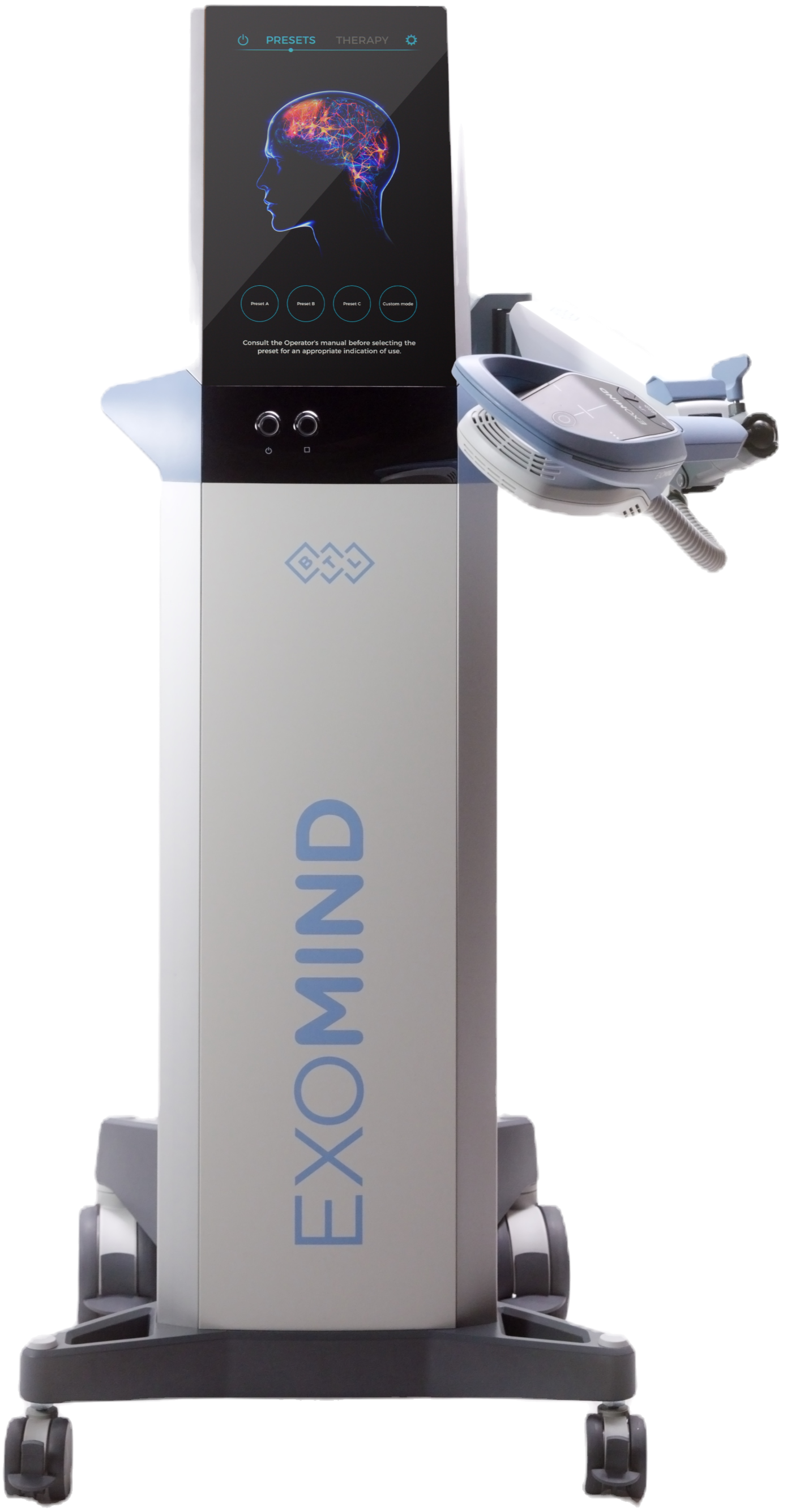
Why Laguna & Orange County Patients Trust Orange Coast Health & Wellness
Orange Coast Health & Wellness is a specialized TMS treatment clinic in Orange County serving adults across South Orange County who are seeking an effective treatment for treatment resistant depression.
- Board-certified psychiatrist oversight for every TMS treatment course
- FDA-cleared Exomind TMS technology - approved for major depressive disorder since 2008
- Personalized treatment protocols tailored to each patient's symptoms, history, and comfort
- Flexible scheduling designed for working professionals commuting between Irvine, Newport Beach, and South County
- Comprehensive insurance verification and prior authorization support before treatment begins

Wondering If EXOMIND Is Right for You? Start the Quiz
Start TMS Therapy for Depression in Laguna & Orange County
If antidepressant medication and talk therapy have not provided the rapid relief or lasting symptom relief you need, Exomind TMS at Orange Coast Health & Wellness offers a non-invasive, drug-free alternative treatment for depression - close to home in Laguna Niguel. TMS therapy has the potential to improve symptoms of major depression and help you regain daily functioning without sedation, downtime, or the systemic side effects of medication.
Take the next step: call us, complete an online appointment request with Orange Coast Psychiatric Associates, or schedule a consultation to find out whether you qualify for TMS.
Orange Coast Health & Wellness (Exomind TMS) ·
(949)282 0027 ·
helpdesk@ocpsychiatry.com · Located in Laguna Niguel, serving all of Orange County. For general questions about our psychiatric services or to discuss your needs, you can also
contact Orange Coast Psychiatric Associates directly.
Please fill out all required information below.
We will get back to you as soon as possible.
Please try again later.