TMS Therapy Laguna Hills

If you're living in Laguna Beach, Laguna Hills, or Laguna Woods and struggling with treatment resistant depression, anxiety, or obsessive compulsive disorder that hasn't responded to medications or therapy, you're not out of options. Orange Coast Health & Wellness offers FDA-cleared Exomind TMS therapy - a drug-free, non invasive treatment that uses magnetic energy to stimulate the brain and restore healthy brain activity without the systemic side effects of antidepressants. TMS therapy is used primarily for treatment-resistant depression and related conditions, and it's available right here in your community.
Call Orange Coast Health & Wellness today to schedule your comprehensive psychiatric evaluation and find out if Exomind TMS is right for you.
Why Laguna Trusts Orange Coast Health & Wellness
- FDA-cleared technology: Exomind transcranial magnetic stimulation tms is FDA-approved for major depressive disorder and OCD, with board-certified psychiatric oversight for every patient
- Proven comfort: Exomind's advanced trapezoid waveform delivers an 85–92% patient comfort rating - significantly gentler than older TMS machines
- Rapid treatment sessions: Each tms session takes under 30 minutes with no anesthesia, no recovery time, and minimal downtime
- Technology-first approach : Orange Coast Health & Wellness is a specialized neuromodulation division of
Orange Coast Psychiatric Associates focused exclusively on evidence based treatments and brain stimulation therapies for treatment resistant conditions in Southern California

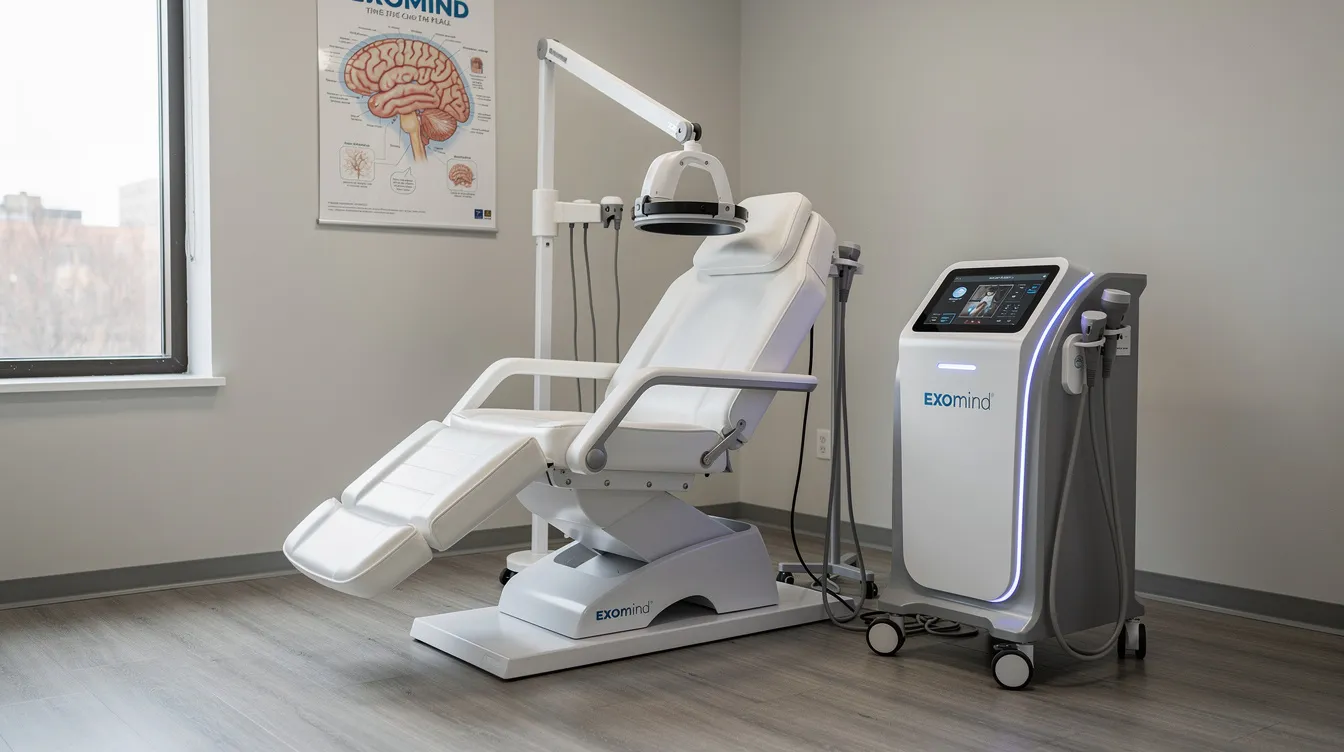
Why Laguna Chooses Orange Coast Health & Wellness for TMS
What sets Exomind TMS apart from traditional treatments isn't just one feature - it's how everything works together to deliver better outcomes with less disruption to your life. When medications and other treatments have failed, Orange Coast Health & Wellness provides specialized, evidence-based treatment options and a path forward.
- Built for medication non-responders: Exomind TMS targets the dorsolateral prefrontal cortex - the brain region involved in mood regulation - using repeated magnetic pulses that stimulate nerve cells directly, bypassing the digestive and circulatory systems entirely. Unlike prescription medications, TMS does not require ongoing daily use and does not produce common side effects such as weight gain, fatigue, or sexual dysfunction.
- Non invasive therapy with real convenience: TMS is non-invasive and does not require anesthesia or induce seizures. You walk in, sit comfortably for your session, and walk out ready to continue your day. For Laguna residents balancing work, family, and health, this matters.
- Comprehensive approach beyond depression: Beyond major depressive disorder mdd, Orange Coast Health & Wellness treats anxiety, OCD, cognitive decline, executive burnout, and impulse control issues, while care may also address other mental health conditions - all under one roof with a personalized treatment plan tailored to your specific mental health conditions.
Our TMS Services
Orange Coast Health & Wellness uses Exomind TMS to treat a range of mental health disorders that haven't responded to standard treatments, with more information in our overview of Exomind TMS at Orange Coast Psychiatric Associates. This Orange County TMS treatment overview explains how FDA-cleared TMS technology is used for a wide range of mental health conditions, and each protocol is calibrated to the individual's resting motor threshold for precision and safety.

Treatment-Resistant Major Depressive Disorder
Treatment resistant depression - typically defined as major depression that persists after two or more adequate trials of antidepressant medications - affects millions of adults who feel trapped despite trying multiple drugs and therapy. TMS treatment utilizes advanced technology to improve brain health without invasive procedures, delivering high-frequency magnetic pulses to underactive areas of the prefrontal cortex to activate brain neurons and restore normal brain activity, as outlined in our Newport Beach TMS depression guide. This targeted stimulation also helps the brain area that regulates mood.
A 2024 meta-analysis of deep TMS for treatment-resistant depression across 5 randomized controlled trials (507 patients) found active deep tms achieved response rates of approximately 45.3% compared to 24.2% for sham treatment, with remission rates of 38.3% versus 14.4%. For patients whose depression symptoms have resisted everything else, including those living with chronic depression, these numbers represent meaningful hope for long term relief.
Anxiety and OCD Treatment
TMS can treat anxiety disorders and PTSD using protocols that target specific brain regions involved in fear processing, rumination, and compulsive behavior, complementing our broader services for mood and anxiety disorders including depression, bipolar disorder, anxiety, and OCD. In 2020, TMS received FDA clearance for OCD treatment, giving patients with obsessive compulsive disorder a non-medication pathway to symptom relief.
A
meta-analysis of 20 randomized controlled trials examining repetitive transcranial magnetic stimulation for OCD found small-to-medium effect sizes for OCD severity reduction (Hedges' g approximately 0.43), with concurrent improvements in comorbid anxiety and depression symptoms. Different TMS technologies target varying areas of the brain for treatment, and protocols for anxious depression often differ from standard depression treatment approaches.


Cognitive Enhancement and Brain Fog
For high-performers experiencing executive burnout, brain fog, or cognitive decline, Exomind TMS offers emerging protocols designed to sharpen focus, mental clarity, resilience, and overall mental wellness as part of a broader health and wellness program integrating mind, body, and lifestyle. TMS therapy uses magnetic fields to stimulate brain cells in regions governing attention and executive function.
Exomind is currently being studied in clinical trials for conditions like insomnia, where a trial protocol delivered 6,300 pulses across alternating frequencies (12, 15, and 18 Hz) to the left DLPFC over six sessions. While evidence for cognitive enhancement in otherwise healthy populations is still evolving, patients seeking mental optimization beyond medication management find this approach compelling.
Impulse Control and Binge Eating
Orange Coast Health & Wellness addresses impulse control issues and binge eating through targeted transcranial magnetic stimulation protocols. A specific study using the Exomind device treated participants with binge eating symptoms twice weekly for six total treatments, stimulating the left prefrontal cortex at frequencies of 12–18 Hz with intensity calibrated to approximately 70% of motor threshold. Follow-up at one month showed meaningful reductions in binge eating symptom severity, offering a comprehensive approach to behavioral health challenges.


How Transcranial Magnetic Stimulation (TMS) Treatment Works
TMS therapy is designed to provide rapid symptom improvement for patients through a structured, transparent process. Here's what to expect from consultation through completion at Orange Coast Health & Wellness.
Step 1: Initial Consultation and Assessment
Your treatment begins with a comprehensive psychiatric evaluation conducted in person by a board-certified psychiatrist, similar to what we describe in our frequently asked questions about visits, insurance, and providers. This includes a thorough review of your medical history, current mental health treatment, prior medication trials, and any contraindications such as metal implants, cochlear implants, aneurysm clips, deep brain stimulators, or seizure risk factors. If applicable, the visit also reviews insurance plans and insurance coverage as part of determining next steps. Your healthcare provider determines your candidacy for TMS and maps your resting motor threshold - a process that takes approximately 5 minutes with Exomind's streamlined technology - to calibrate treatment intensity precisely to your brain, with personalized care guiding candidacy and protocol planning.
Step 2: TMS Treatment Sessions
Patients typically undergo five sessions a week for four to six weeks. TMS sessions typically last 20 to 40 minutes each, with Exomind sessions generally completing in under 30 minutes - often around 24–25 minutes. TMS provides an outpatient treatment experience with no need for recovery time.
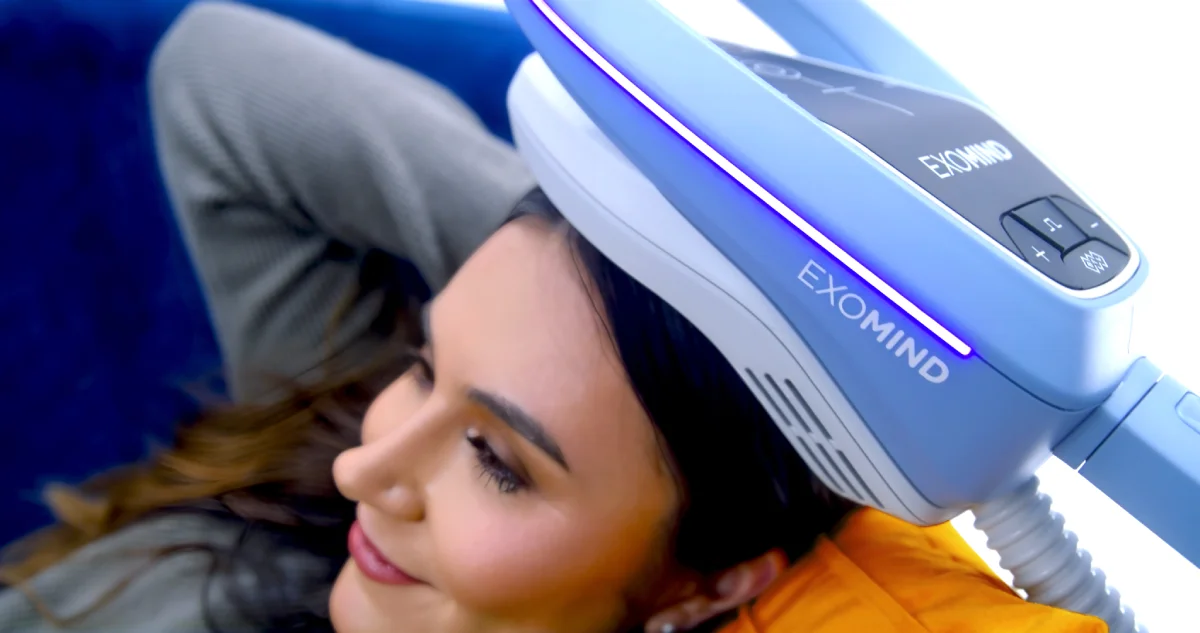
During each session, a magnetic coil is placed against your scalp at the targeted brain region. The device delivers repeated magnetic pulses that stimulate nerve cells in the prefrontal cortex. Most patients describe the sensation as a light tapping sensation on the scalp. Exomind's advanced waveform engineering reduces the loud "woodpecker" noise associated with older devices, resulting in a gentler, more comfortable experience. You remain fully awake and alert throughout, and you can return to your normal activities immediately afterward, with minimal side effects.
Step 3: Progress Monitoring and Results
Your psychiatrist tracks your progress throughout the treatment course using standardized symptom rating scales. Many patients feel significant improvement in mood, energy, and mental clarity within the first 4–6 sessions, though full benefit typically emerges after completing the entire treatment plan. TMS therapy is designed to provide rapid symptom improvement for patients, but the effectiveness of TMS may vary depending on patient selection and adherence to treatment protocol.
After your initial course, your care team discusses maintenance sessions and follow-up strategies to sustain your results, and some people continue maintenance care rather than relying only on prescription medications. A
2026 naturalistic study comparing rTMS versus antidepressant medication in moderate treatment-resistant depression found that benefits from rTMS remained relatively stable through 12 months of follow-up, with response rates of 40.9% versus 18.8% for medication and remission rates of 29.5% versus 6.3%.
TMS Treatment Results
The evidence behind repetitive tms for treatment resistant depression is substantial and continues to grow. Here's what the clinical data shows:
Response and remission in treatment-resistant depression
A meta-analysis of 19 studies involving patients with two or more failed antidepressant trials found response rates of approximately 39.7% in the active TMS group versus 13.7% in sham, with remission rates of 36% versus 8%. The number needed to treat was 5–6, meaning roughly one in every five to six patients who wouldn't otherwise improve achieves clinically meaningful benefit.
Real-world outcomes
A Japanese multisite observational study of 497 patients with treatment-resistant depression found response rates of 53.5% and remission rates of 42.8%, with dropout due to adverse effects at just 4.2%. No convulsive seizures or manic episodes were observed. Most patients experience few to no side effects from TMS.
Long-term durability
The 12-month naturalistic follow-up study demonstrated that rTMS gains were maintained through the full year, with the rTMS group significantly outperforming the medication group at every follow-up interval. This suggests that for many patients, TMS works to deliver lasting depression treatment results.
Timeline for improvement
With Exomind TMS at Orange Coast Health & Wellness, noticeable improvements often begin within 4–6 sessions. Significant improvement in depression symptoms typically occurs during weeks 2–4, with full remission potential by the end of the four to six weeks treatment course. TMS is being studied for bipolar disorder treatment as well, expanding the scope of conditions that may benefit from this technology.
Comparison to medications
Unlike antidepressants, which carry risks of weight gain, sexual dysfunction, and emotional blunting, TMS therapy offers a drug-free alternative for individuals seeking mental health treatment. Accelerated TMS protocols condense treatment into a shorter time frame compared to standard methods, and Exomind's engineering allows for comfortable, efficient sessions.
What Our Laguna Patients Say
We value the privacy of our patients and will share genuine testimonials from Laguna area residents here. If you've experienced results with Exomind TMS at Orange Coast Health & Wellness, we invite you to share your story.
Patient reviews from Laguna Beach, Laguna Hills, Laguna Niguel, and surrounding Orange County communities coming soon.
Areas We Serve
Orange Coast Health & Wellness provides FDA-approved TMS therapy in Laguna Niguel to residents throughout the Laguna communities and greater Orange County:
- Laguna Beach · Laguna Hills · Laguna Woods · Laguna Niguel
- Dana Point · Aliso Viejo · Mission Viejo
- Newport Beach and broader Orange County
Our location in
Laguna Hills, CA provides easy access for residents across South Orange County seeking
advanced Exomind TMS therapy in Laguna Niguel and other brain stimulation therapies, and we serve patients throughout
California.
Frequently Asked Questions about TMS Therapy Laguns Hills
How much does TMS therapy cost and is it covered by insurance?
Many cases are covered by most insurance plans. We work with major insurance providers and accept most plans depending on your specific benefits. We assist with coverage verification to clarify any out-of-pocket costs before treatment begins.
How many TMS sessions will I need?
TMS therapy typically involves five sessions per week for four to six weeks. Each session lasts about 20 to 40 minutes, often around 30 minutes, depending on the specific protocol tailored to you.
What are the side effects of TMS therapy?
TMS therapy is generally well tolerated with minimal side effects. The most common include mild scalp discomfort and temporary headaches. Severe side effects are very rare.
Am I a candidate for TMS therapy?
Candidates for TMS therapy are adults with treatment-resistant depression or related mental health challenges who have not found relief from medications or talk therapy. A comprehensive psychiatric evaluation at our Laguna Hills clinic will determine your suitability.
How is Exomind TMS different from traditional TMS?
Exomind TMS uses advanced ExoTMS® technology that delivers magnetic pulses with greater comfort and precision, targeting the dorsolateral prefrontal cortex to improve mental well-being with minimal downtime and no anesthesia.
Can TMS help with conditions other than depression?
Yes, TMS therapy at our Laguna Hills location also treats anxiety, OCD, cognitive decline, executive burnout, and impulse control issues, providing a comprehensive approach to mental health care beyond depression.
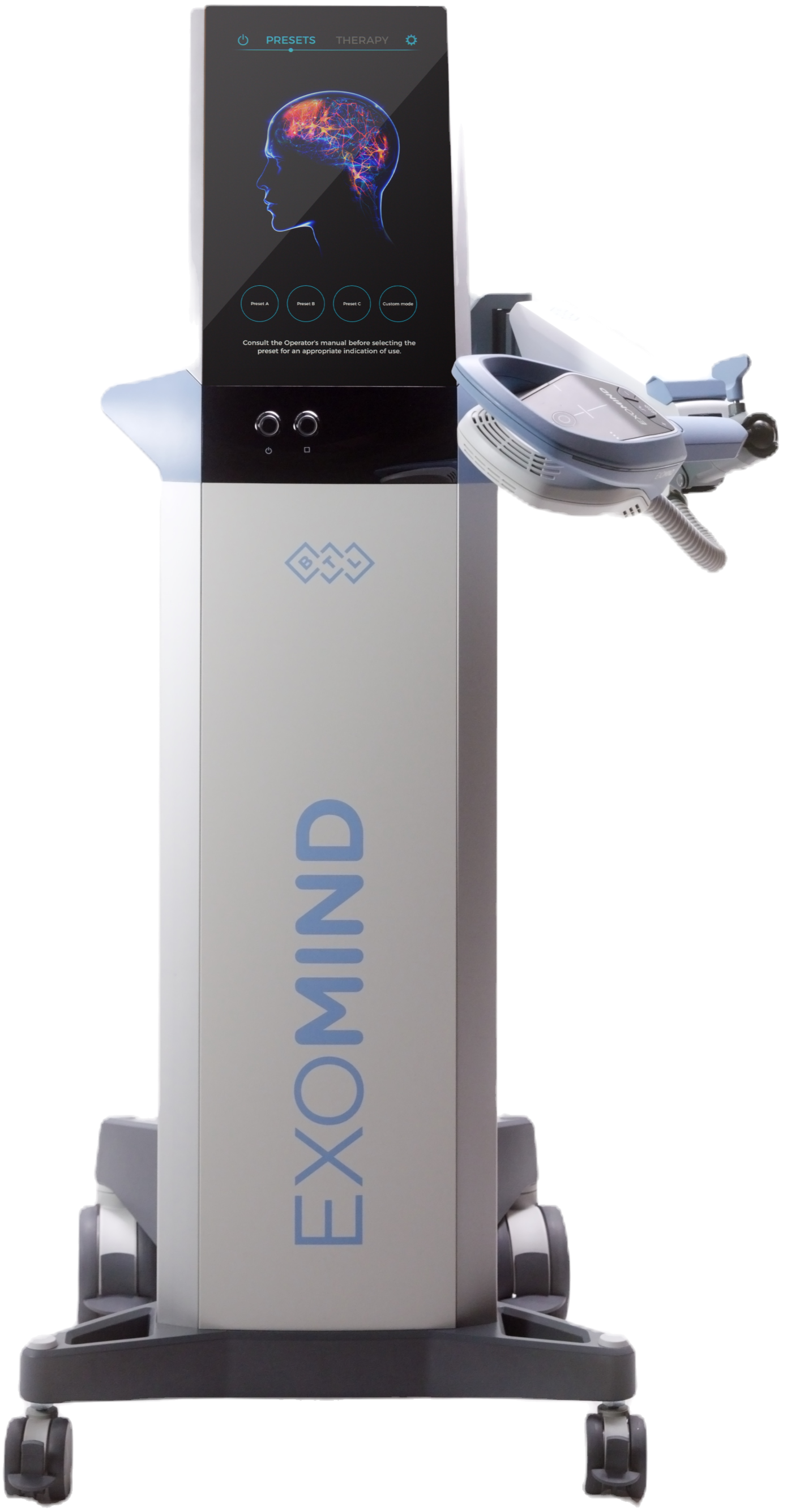
Wondering If EXOMIND Is Right for You? Start the Quiz
Get Started with TMS Therapy in Laguna
If depression, anxiety, or OCD has resisted everything you've tried - medications, therapy, other treatments - Exomind TMS at Orange Coast Health & Wellness offers a proven, drug-free path to symptom relief as part of a psychiatry-led treatment approach. With response rates significantly exceeding those of antidepressant medication alone, and a comfortable, non-invasive treatment experience that fits into your daily life, there's no reason to wait, and you can schedule an appointment with Orange Coast Psychiatric Associates to begin the process.
Take the first step toward reclaiming your mental health with integrative psychiatry and personalized care. Contact Orange Coast Health & Wellness today to schedule your consultation and find out if you're a candidate for TMS therapy.
Orange Coast Health & Wellness - a division of
Orange Coast Psychiatric Associates · Laguna Hills / Laguna Niguel, CA · Serving Laguna Beach, Laguna Hills, Laguna Woods, Dana Point, Aliso Viejo, Mission Viejo, and all of Orange County
Please fill out all required information below.
We will get back to you as soon as possible.
Please try again later.