What Is TMS Used For? FDA-Approved Uses and Clinical Evidence for Orange County Patients
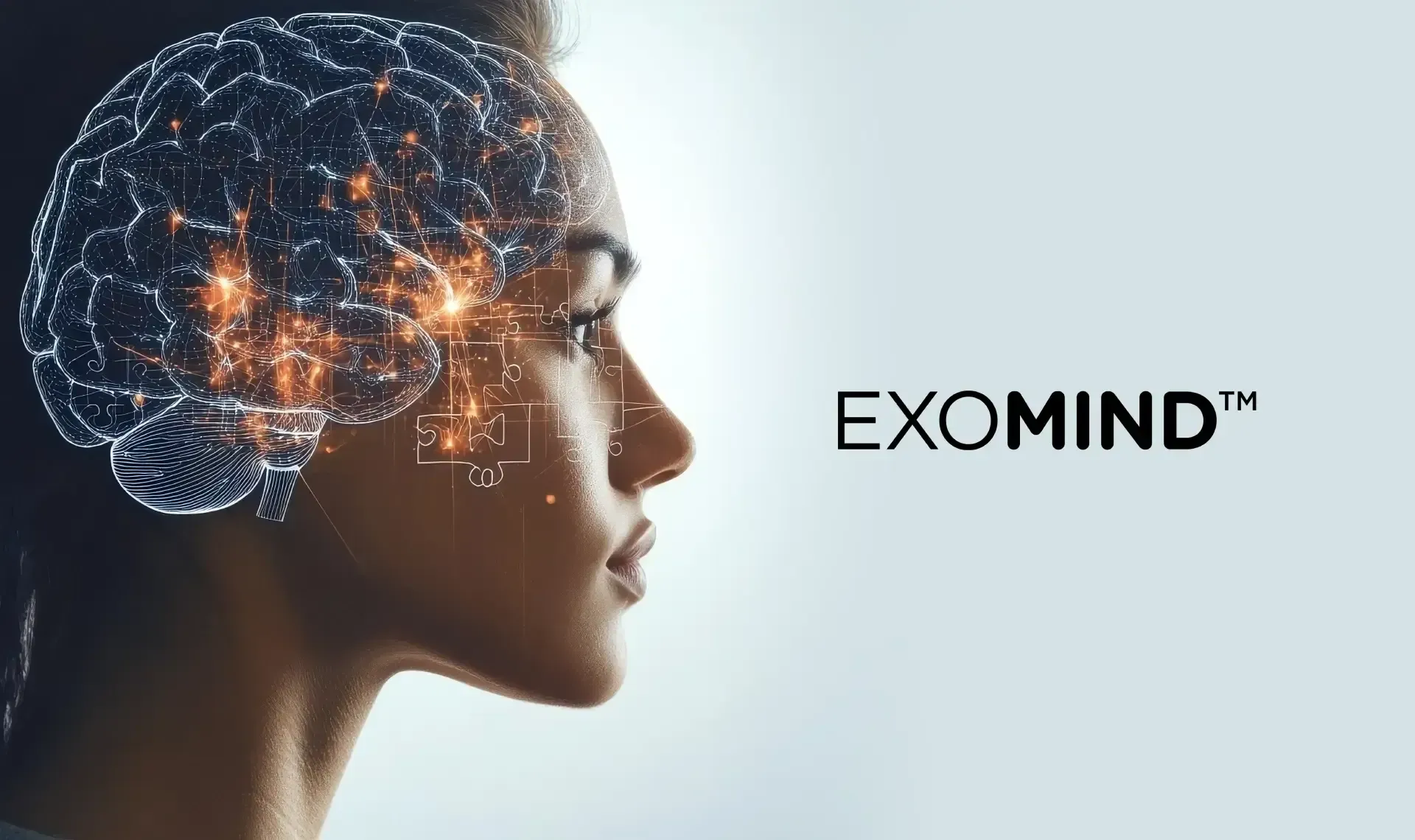
Transcranial magnetic stimulation (TMS) is a non-invasive neuromodulation technique used to treat mental health and neurological conditions, primarily major depressive disorder and obsessive compulsive disorder. TMS is primarily used to treat mental health and neurological conditions. For Orange County residents who have tried antidepressant medication, talk therapy, or both without adequate results, TMS therapy offers a different mechanism: direct stimulation of nerve cells in targeted brain regions using repeated magnetic pulses, no surgery, no anesthesia, and no systemic drug side effects.
Finally, a Treatment Built for Orange County Residents Facing Treatment Resistance
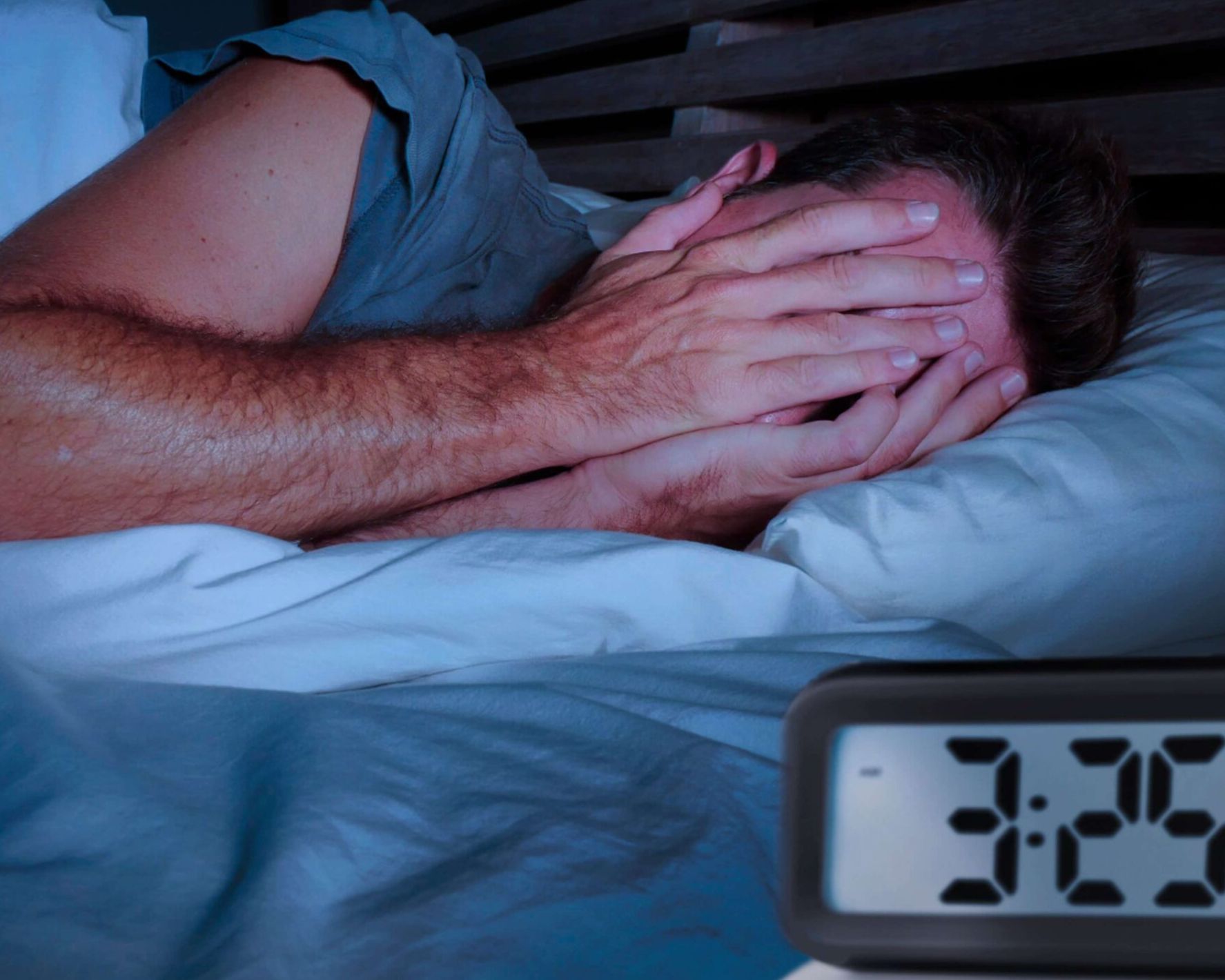
Treatment resistant depression affects roughly 30% of people diagnosed with major depressive disorder. In a county of 3.2 million residents, that translates to tens of thousands of individuals cycling through medications that cause weight gain, sexual dysfunction, or sedation without resolving depression symptoms. OCD patients face a similar problem; first-line SSRIs and cognitive behavioral therapy leave a substantial portion with persistent ocd symptoms.
Orange Coast Health & Wellness provides
TMS treatment in Orange County with board-certified psychiatrists and TMS-trained technicians. The clinic serves patients across the region who need an effective treatment option beyond what standard pharmacotherapy delivers, and patients can
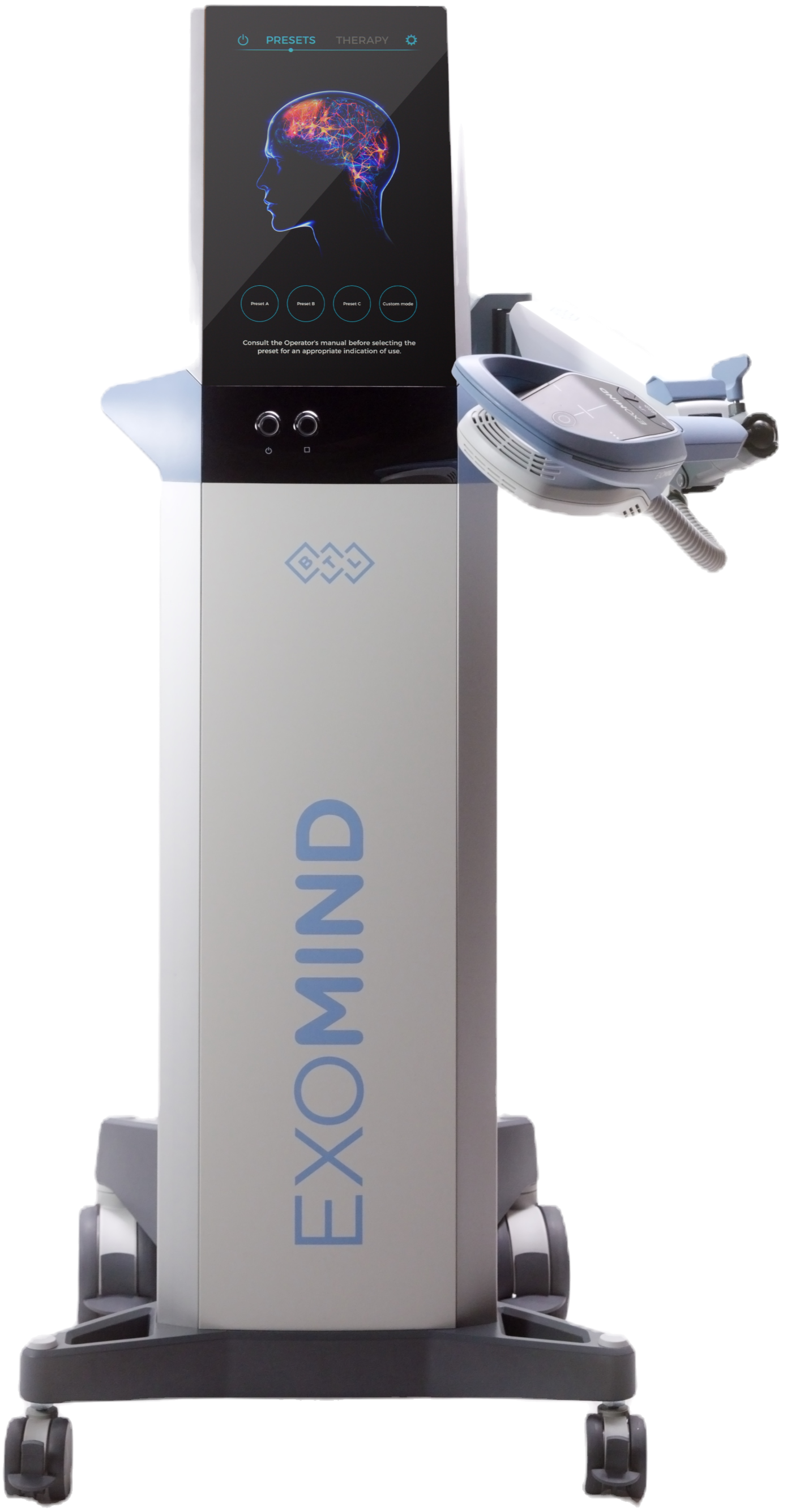
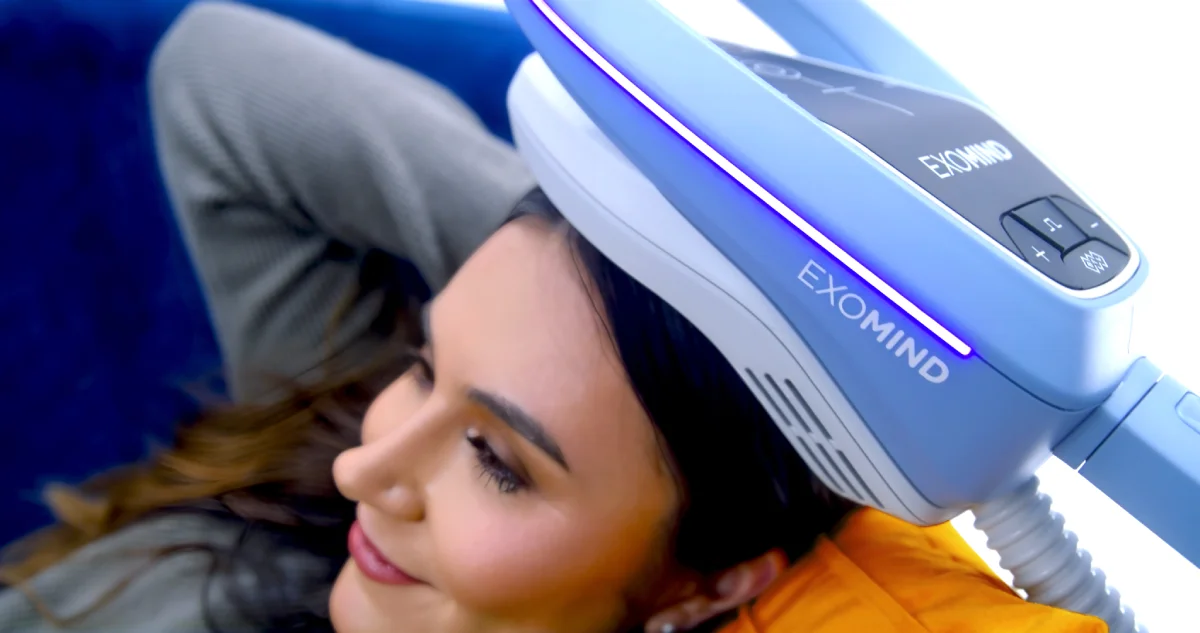
discover effective TMS treatment in Orange County through the clinic's advanced Exomind technology and specialized care.

Why TMS Works for Multiple Mental Health Conditions
- Targets the brain regions involved in each condition. TMS targets the dorsolateral prefrontal cortex for mood control in depression, the supplementary motor area for OCD, and the primary motor cortex for chronic pain. Different TMS protocols target specific neural circuits depending on the condition.
- Non-invasive electromagnetic stimulation. An electromagnetic coil placed against the scalp generates a magnetic field that passes through the skull and induces electrical currents in nerve cells. Unlike electroconvulsive therapy, TMS does not require anesthesia and is noninvasive. TMS is as safe as having an MRI without radiation.
- FDA approved with a documented safety profile. The first TMS device received FDA clearance in 2008 for major depressive disorder. Since then, clearances have expanded to OCD, smoking cessation, migraine with aura, and anxious depression. Common side effects of TMS include mild scalp discomfort and brief headaches.
- Outpatient procedure with no recovery time. Each treatment session lasts between 20 to 40 minutes. Patients return to work, driving, and daily routines immediately after each TMS session.
- Effective when medications and therapy haven't worked. About 60% of treatment-resistant depression patients respond to TMS. TMS treats major depression when other treatments fail, offering a path when other depression treatments produce inadequate results.
How TMS Treatment Works
Step 1: Initial Consultation and Brain Mapping
Before the first treatment session, a psychiatrist conducts a clinical evaluation and motor threshold testing. The motor threshold determines the minimum stimulation intensity needed to activate facial muscles or hand muscles. This calibration, combined with anatomical measurements, ensures the TMS coil targets the correct cortical area. The process takes about an hour and establishes the treatment plan, including stimulation parameters, frequency, and session count.
Step 2: Targeted Brain Stimulation
During each session, the patient sits in a treatment room while a technician positions the magnetic coil against the scalp. The TMS machine delivers magnetic pulses to the targeted brain region. Patients typically describe the sensation as a tapping sensation on the scalp. Unlike deep brain stimulators or vagus nerve stimulation, the TMS device sits outside the body; there are no implanted medical devices, no incisions, and no anesthesia.
TMS uses an electromagnetic coil to stimulate brain regions. For depression, high-frequency pulses (10 Hz or above) activate the left dorsolateral prefrontal cortex, a region linked to mood regulation and brain function in depressive symptoms. For OCD, specialized coils target deeper circuits. First-Generation TMS stimulates approximately 3cm3 of brain matter, while deep TMS can stimulate approximately 17cm3 of brain matter, reaching structures 1.25 inches below the skull surface.
Step 3: Progressive Symptom Improvement
TMS can require a series of 30 treatment sessions for effectiveness. Most patients receive sessions five days per week over four to six weeks. Symptom relief typically begins at weeks two through four, with the full benefit often appearing near the end of the treatment course. Over 80% of patients improve during the continuation phase of TMS. More than half of TMS patients remain in remission at six months, based on follow-up data from comprehensive guides to effective TMS for depression in Newport Beach and other clinical studies.
What Separates TMS from Other Mental Health Treatments
TMS operates through a different mechanism than medications. Antidepressant medication alters neurotransmitter levels systemically, affecting the entire body. That systemic reach causes side effects: gastrointestinal problems, weight gain, sexual dysfunction, and drowsiness. TMS delivers magnetic pulses to a specific brain area, leaving the rest of the body unaffected. The most common side effect is scalp discomfort at the stimulation site. Headaches occur in about 50% of TMS patients, and facial twitching may affect one-third of TMS patients. The risk of seizures during TMS is about 0.1%.
Unlike electroconvulsive therapy, TMS requires no general anesthesia, no muscle relaxants, and no post-procedure recovery period. ECT remains more effective for severe depression with suicidal ideation or catatonia, but it carries risks of memory loss and cognitive disruption. TMS produces no measurable memory impairment.
Unlike vagus nerve stimulation, which requires surgical implantation of a pulse generator, TMS is a noninvasive form of brain stimulation therapies. There are no implants, no batteries, and no surgical risk. Unlike deep brain stimulation, which involves electrodes placed inside the brain, TMS works entirely from outside the skull.

Clinical Evidence for TMS Effectiveness
A large retrospective study of 5,010 patients with major depressive disorder treated with repetitive TMS found response rates between 58% and 83% and remission rates between 28% and 62%, depending on measurement method. One in three patients achieves remission after four weeks of Deep TMS.
For OCD, a randomized multi-center trial of 100 patients showed that 38% of patients receiving Deep TMS responded (defined as greater than 30% reduction on the Yale-Brown Obsessive Compulsive Scale) compared to 11% in the sham group. Deep TMS provides symptom relief similar to 12 weeks of pharmacotherapy for OCD.
A study of patients aged 60 and older receiving deep transcranial magnetic stimulation for late-life depression reported response rates of 60% to 65%, compared with approximately 35% in younger cohorts.
In smoking cessation, Deep TMS received FDA clearance in 2020 after trials demonstrated efficacy for short-term tobacco dependence treatment. TMS is used to assist smoking cessation when other methods fail.
TMS has substantial evidence and regulatory clearance primarily for depression and OCD. Research continues into other mental health conditions, including bipolar disorder, substance abuse, and cerebrovascular disease rehabilitation.
Who TMS Is For: Conditions and Candidate Profiles
Treatment resistant depression
Adults with major depressive disorder who have not responded to at least one adequate trial of antidepressant medication. As of November 2025, FDA clearance for Deep TMS covers patients aged 15 through 86, including adolescents (ages 15 to 21) for adjunctive treatment and older adults up to age 86.
Obsessive compulsive disorder
Patients whose ocd symptoms persist despite SSRIs and cognitive behavioral therapy. TMS is FDA-approved for obsessive-compulsive disorder as an adjunct to ongoing treatment.
PTSD
TMS has been explored for treating Post-Traumatic Stress Disorder. Some studies report moderate evidence for high-frequency repetitive tms targeting the right DLPFC, though this remains off-label.
Chronic pain and migraine
TMS can be used for Chronic Pain Management by altering pain perception pathways. Single-pulse TMS devices are cleared for acute treatment of migraine with aura. TMS can help reduce migraine symptoms after other treatments fail.
Neurological rehabilitation
TMS is applied to aid neurological rehabilitation post-stroke. Research into neurological disorders, including Parkinson's disease and traumatic brain injury, remains in early stages.
Candidates who should not receive TMS
People with magnetic implants, cochlear implants, or other metallic devices in or near the head (dental fillings are generally acceptable). Patients with a seizure disorder require careful screening. Pregnancy may be a contraindication depending on the TMS device used.
TMS Treatment Options Available in Orange County
Standard rTMS Protocol
Called repetitive TMS, this protocol applies high-frequency stimulation to the left dorsolateral prefrontal cortex. TMS sessions typically last between 20 to 40 minutes, with standard high-frequency protocols running approximately 37 minutes per session. Patients attend five days per week for four to six weeks. First-Generation TMS was introduced in 1985; the technology has evolved substantially since then, with modern TMS devices offering precise coil positioning and adjustable stimulation parameters.
Theta Burst Stimulation: Accelerated Protocol
Theta burst stimulation compresses the treatment into sessions as short as three minutes by mimicking natural brain rhythms through rapid pulse bursts. The FDA cleared accelerated Deep TMS protocols in September 2025. For Orange County patients managing work schedules and commute times,
TMS therapy in Laguna Niguel using theta burst protocols reduces the time commitment per session while maintaining comparable outcomes to standard-length sessions.


Deep TMS for OCD and Broader Brain Targeting
Deep transcranial magnetic stimulation uses H-Coil technology to reach 1.25 inches deep into brain tissue. Deep TMS was made publicly available in 2013. Deep TMS can stimulate approximately 17cm3 of brain matter, compared to approximately 3cm3 for standard TMS coils. BrainsWay's H1 coil targets circuits involved in major depression; the H7 coil targets networks involved in OCD. TMS can cause mild discomfort at the treatment site, but the deeper reach allows treatment of conditions that standard surface-level brain stimulation cannot address.
Frequently Asked Questions About TMS Uses
What conditions is TMS FDA-approved to treat?
Treatment transcranial magnetic stimulation has FDA clearance for: major depressive disorder (including treatment resistant depression, anxious depression, adolescent depression ages 15 to 21, and adults up to age 86), obsessive compulsive disorder, smoking cessation, and migraine with aura. TMS has been investigated for its efficacy in treating Anxiety Disorders, though standalone anxiety treatment remains off-label. TMS has also been investigated for bipolar disorder and substance abuse, but these uses lack FDA clearance.
How quickly do patients see improvements?
Some patients notice partial symptom relief by weeks two through four. More substantial improvement in depressive symptoms or ocd symptoms typically appears near the end of the four-to-six-week treatment course. One in three patients achieves remission after four weeks of deep TMS.
Does insurance cover TMS treatment?
Most private insurers and Medicare cover FDA-approved uses of TMS, including treatment resistant depression and OCD. Coverage for newer indications (adolescent depression, accelerated protocols, smoking cessation) is expanding. Clinics typically require documentation of prior failed treatments. Orange Coast Health & Wellness offers insurance verification before beginning ongoing treatment.
Can TMS be combined with other treatments?
TMS is routinely used alongside antidepressant medication and talk therapy. Many clinical trials maintain patients' existing medication regimens during the TMS treatment course. Combining TMS with psychotherapy may enhance outcomes. Safety with concurrent medications has been well documented in clinical neurophysiology research.
Are there risks or side effects?
Common side effects of TMS include mild scalp discomfort and brief headaches. Headaches occur in about 50% of TMS patients. Facial twitching may affect one-third of TMS patients. The risk of seizures during TMS is about 0.1%. There is no exposure to radiation, no neck pain from positioning in most protocols, and no systemic side effects like those associated with medications. Patients with implanted medical devices containing metal near the head (excluding dental work) should not receive TMS.
Why Choose Orange Coast Health & Wellness?
Our clinic bridges the gap between clinical psychiatry and proactive wellness. With deep clinical experience and a sole focus on the Exomind platform, we provide a boutique experience that prioritizes rapid results and patient comfort.
- A Division of Experts: We are backed by the medical heritage of Orange Coast Psychiatric Associates, ensuring your care is overseen by the region's leading board-certified practitioners, with the goal to improve outcomes for patients who have not responded to traditional treatments.
- Rapid Recovery Protocols: Traditional TMS can take 30+ sessions. Our advanced Exomind protocols offer an accelerated TMS option for patients seeking faster symptom improvement, with significant clinical improvement often seen in as few as 6 sessions.
- The "Walk-In, Walk-Out" Experience: Each session is under 30 minutes with zero downtime, making us the most convenient choice for
TMS therapy in Laguna.
Wondering If EXOMIND Is Right for You? Start the Quiz
Get TMS Treatment in Orange County Today
Orange Coast Health & Wellness provides TMS therapy in Laguna Niguel for Orange County residents dealing with severe depression, OCD, and other mental health conditions that have not responded to standard care. The clinic's board-certified psychiatrists evaluate each patient's history, determine candidacy, and build an individualized treatment plan using FDA-cleared TMS protocols.
To schedule a consultation, contact Orange Coast Health & Wellness directly. The first step is a clinical evaluation and insurance verification. For patients who have tried multiple medications without adequate results, TMS offers a concrete next step toward recovery backed by clinical data and regulatory clearance.
Reach out to
Orange Coast Health & Wellness today to schedule your TMS consultation and start treatment.
Please fill out all required information below.
We will get back to you as soon as possible.
Please try again later.